Graduate Student Gains Real-World Fisheries Research Experience in Keystone College Ichthyology Course
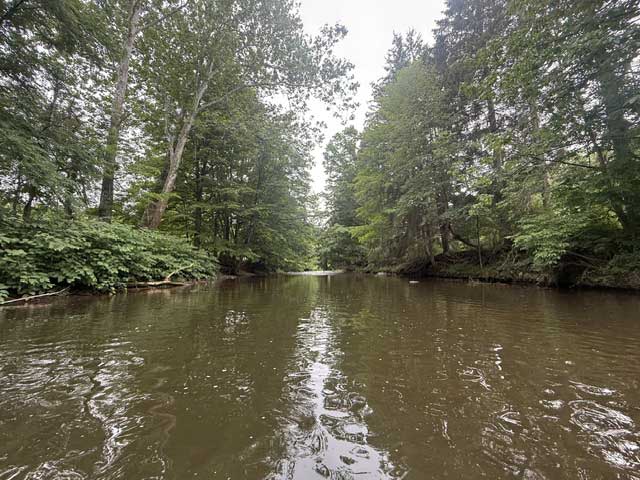
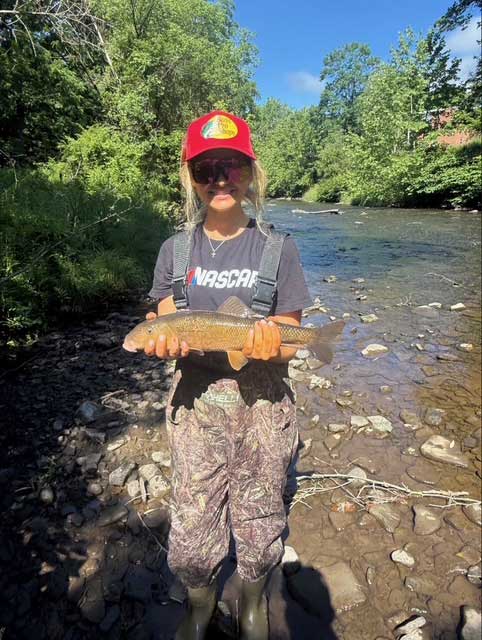
At Keystone College, graduate students don’t just study aquatic ecosystems—they actively investigate them through hands-on research. In the graduate Ichthyology course, Assistant Professor of Wildlife Biology and Department Chair Dr. Joseph Iacovazzi and wildlife biology graduate student Emma Groff conducted an extensive fisheries survey of the South Branch of Tunkhannock Creek, transforming a local waterway into an outdoor laboratory while developing the practical skills needed for careers in fisheries biology, aquatic ecology, and environmental conservation.
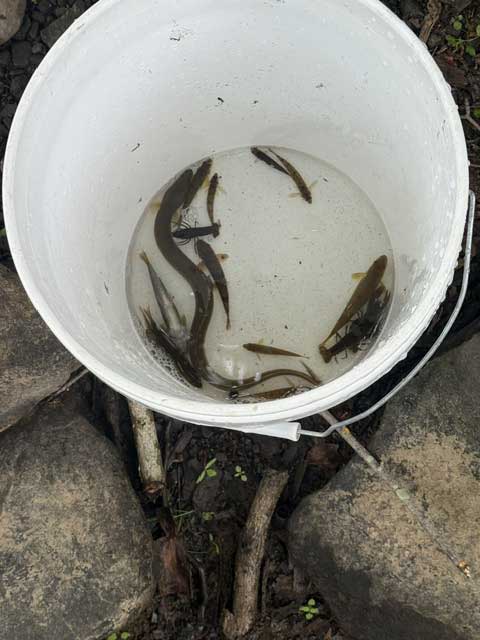
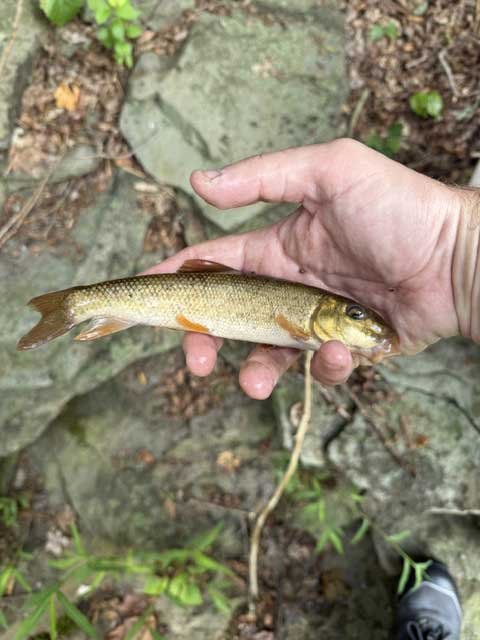
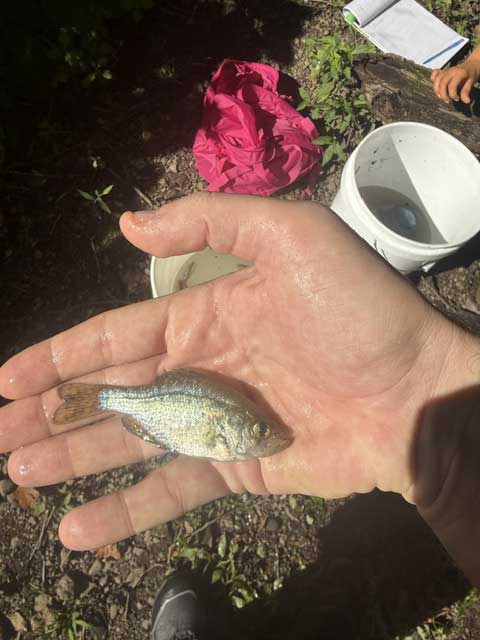
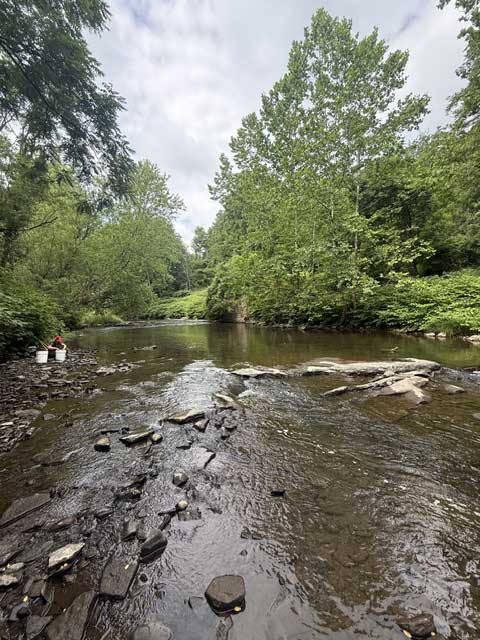
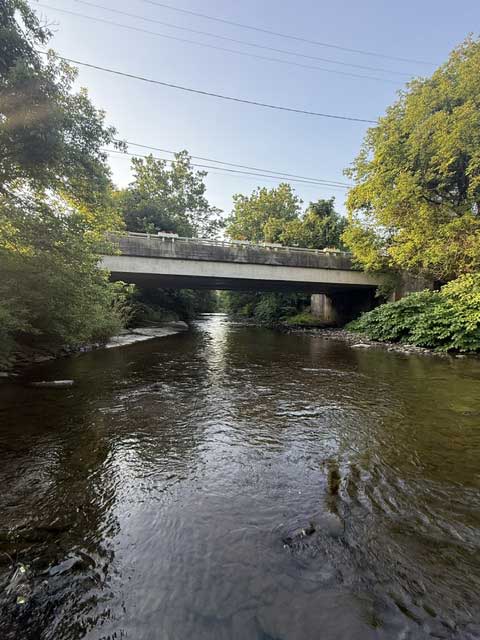
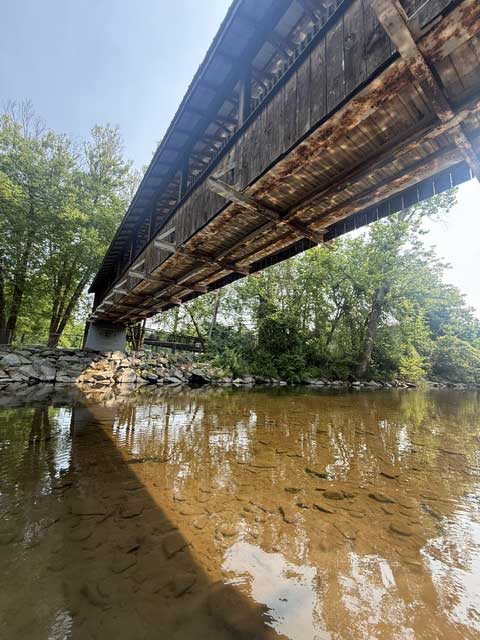
Dr. Iacovazzi and Emma completed seven electrofishing surveys along approximately 1.5 miles of the South Branch of Tunkhannock Creek, spanning the Keystone College Woodland Campus and extending into nearby Factoryville. Together, they safely collected, identified, measured, and released more than 1,200 fish, providing one of the most comprehensive assessments of stream fish biodiversity conducted on this section of the creek.
The project gave Emma an opportunity to master the same techniques used by professional fisheries biologists and environmental scientists. One of the greatest strengths of Keystone College’s graduate programs is the opportunity for close faculty mentorship. Students receive individualized instruction while participating in authentic scientific research from project design through data analysis. This level of mentorship allows students to build technical expertise, confidence, and professional experience that extends far beyond a traditional classroom setting.
Experiential learning opportunities like this exemplify Keystone College’s commitment to preparing future scientists through meaningful, hands-on education. Graduates leave the program with more than advanced scientific knowledge—they gain practical field experience, research proficiency, data analysis skills, scientific communication abilities, and the professional confidence needed for successful careers with state and federal natural resource agencies, environmental consulting firms, conservation organizations, research institutions, or doctoral programs.